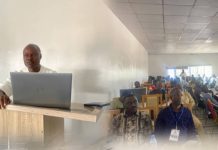
The Institute of Strategic Management of Nigeria (ISMN)- Chartered Plateau State Chapter, has called on government and institutions to adopt proactive security management strategies to prevent emerging threats and promote sustainable peace.
The call was made on Sunday, October 4, 2026, at a one-day workshop and capacity-building programme on “Security Management at Strategic Level,” organised by ISMN-Chartered at MNS Resort, Rayfield, Jos.
The lead speaker, Dr. Kwopnan Ibrahim Bulus, Head of the Department of Political Science, University of Jos, said security management should move beyond reacting or deploying military after attacks or to threats after they occur to anticipating risks and putting measures in place to prevent them.

According to him, strategic security management involves developing policies and strategies capable of protecting people, resources, communities, organisations and the state, while advancing their interests.
Dr. Kwopnan further explained that security management operates at three levels; strategic, operational and tactical, with the strategic level responsible for setting priorities, identifying threats, determining what needs to be protected and deciding the resources and capabilities required.
He also stressed the need for leaders to consider social, economic, political, cultural and environmental factors when developing security strategies, noting that issues affecting people’s basic needs and wellbeing can contribute to insecurity.
Earlier, the host and chairperson of the institute in Plateau state, Prof. Plangsat B. Dayil, said the security environment had become increasingly complex, interconnected and unpredictable, requiring governments and institutions to strengthen their capacity to anticipate and manage emerging risks.

She identified governance challenges, economic stressors, technology, social conditions, institutional capacity, climate-related pressures and misinformation among factors shaping the current security environment.
In a goodwill message, Associate Professor Longmam Geoffrey Pengswang, a Commissioner with the Plateau State Independent Electoral Commission (PLASIEC) in charge of Training, Planning and Strategy, commended the organisers and called for greater attention to basic human needs, particularly food security, as part of efforts to address insecurity. Noting that addressing such needs could help reduce the vulnerability of people to recruitment into criminal activities.

He also suggested that government officials should be given opportunities to participate in such discussions and benefit from the ideas generated.
A major highlight of the event was a discussion on the growing security challenges and threats facing the country, their underlying causes and possible ways of addressing them through strategic planning and proactive management.
The workshop brought together ISMN-Chartered fellows, academics, journalists and other participants to examine strategic approaches to security management and possible ways of strengthening peace and resilience in society.